Blog này thảo luận và chia sẻ những tri thức về khoa học khí quyển và các khoa học khác.
"Mọi thứ chúng ta làm đều phải dựa vào nghiên cứu KHOA HỌC chất lượng cao nhất". Thien V. Le
Mọi thứ chúng ta làm đều phải dựa vào nghiên cứu KHOA HỌC chất lượng cao nhất.
Đọc hiểu là KHOA HỌC nhận thức ứng dụng. Đọc hiểu trong tiếng Anh là kỹ năng quan trọng nhất trong thế kỷ 21. Các bậc cha mẹ nên làm gì để giúp con mình đọc hiểu tiếng Anh thành công?
1. Tìm các bài đọc có chất lượng cao là nhân tố quan trọng nhất cho sự thành công đọc hiểu của trẻ. Đặt câu hỏi về những gì chúng đang đọc. Đọc cùng những thứ mà chúng đang đọc. Nếu chúng hỏi bạn về những câu hỏi mà bạn không thể trả lời thì hãy đọc cùng nhau để khám phá câu trả lời.
2. Những tri thức mà con bạn có về Thế giới là một nhân tố quan trọng khác cho sự thành công đọc hiểu của trẻ. Trẻ con cần biết một chút ít về nhiều thứ để sau này đọc hiểu thành công hơn. Bởi vậy cho trẻ đọc nhiều thứ như truyện, tiểu thuyết, KHOA HỌC viễn tưởng, KHOA HỌC thực, nghiên cứu xã hội, các kỹ năng và chiến lược, các kỳ nghỉ và các sự kiện, bảo tàng, lịch sử...
3. Tạo dựng sự tự tin bằng việc giúp con bạn thiết lập các mục tiêu để đạt được. Các mục tiêu có thể giúp chúng cảm thấy hào hứng hơn để tiếp tục đọc. Gắn các mục tiêu của chúng với những thứ mà chúng muốn học và làm. Ví dụ như "con muốn học tất cả về: biểu tượng của nước Mỹ là gì, làm thế nào quả bóng đá được tạo ra, hay vũ trụ trông như thế nào, một con sông lớn đi qua sa mạc, về con nhện, ai là người Mỹ đầu tiên, các đồng tiền sử dụng trên khắp Thế giới". Điều này cũng có thể giúp chúng nhận thấy được giá trị hữu ích của việc đọc trong toàn bộ cuộc sống.
4. Cuối cùng quan trọng nhất là phải có niềm vui trong đọc hiểu tiếng Anh. Cũng như chơi, khám phá và tò mò, thì việc đọc cũng như thế, nó giúp chúng theo đuổi mối quan tâm và sự tò mò hiểu biết trong khi đọc. Ví dụ như đọc về một hiện tượng bảy sắc cầu vồng, con gà là gì, hay nhìn lên bầu trời về đêm, đọc tất cả những gì chúng nhìn thấy.
Our planet is no spring chicken. The history of the earth stretches over billions of years. In that time period, a lot has changed. Some of those changes took place over a very long time, too slowly and gradually for people to discern. Some changes, on the other hand, took place very quickly.
Water, wind and ice slowly shape the surface of the earth, constantly moving all around us. Activity just beneath the surface of the earth’s crust creates rapid changes in the shape of the land—that’s where we get volcanoes, landslides and earthquakes.
Glaciers, which are huge, very old formations made out of water, earth and ice, can even change the size and shape of the oceans. These major shifts take place over millions of years. We can see the results, but apart from measuring them and seeing where growth or change took place, we can’t observe these changes as they occur. They simply happen too slowly.
Erosion is an example of a slow process that changes the surface of the earth. Think of a windy beach, how sand from the beach is carried toward the dunes or, depending on the behavior of the wind, how the sand from the dunes is carried further down the beach. We can see and feel the sand moving over the land and through the air, but the long-term effects of that movement won’t be visible for years.
The earth’s surface is also made up of very slowly moving parts, called tectonic plates. These plates fit like puzzle pieces and make up the outermost layer of the planet. When this layer moves around, it can cause earthquakes and volcanic eruptions. It’s very easy to spot these changes as they’re happening! In fact, we have to be very careful and prepare for them in advance, and take safety measures before and after they occur.
Volcanoes, earthquakes and landslides aren’t everyday events. If they were, we’d be in big trouble! Ordinarily, the movement of the plates is extremely slow, yet very powerful. Plate movement is one of the major forces that changes the location and shape of continents and oceans—major changes that we can’t detect and that appear gradually over millions of years.
Some earth-changing events occur naturally, but others come from us, from humans. It’s important to remember that we have our own impact on the earth. In many cases, humans influence the earth’s natural processes on purpose, speeding them up, slowing them down, or manipulating them in other ways to get something we want—usually a natural resource, like water or oil. Some of what we do to our planet is on purpose, and some of it is accidental.
Cutting down forests, building new houses, bridges, office buildings and movie theaters, can lead to quickening natural events that might have taken much longer without humans’ involvement.
You can walk outside any time you like and see the planet stir: wind moving particles of sand and rock, water dripping from one surface onto another, seasons changing each year. Everything you see on a walk around your neighborhood contributes to the earth’s changing and maturing, just like everything we do every day contributes to what we’ll be like as people 10 years, 20 years, even 50 years from now. And those changes in our bodies and personalities—unless something unusual happens—take time to show up too.
It’s interesting to think about how what we do and the forces that act on us affect who we become. The earth is a big, changing organism, just like we are.
Comprehension Questions
1.How much has the earth changed in its history?
a lot
a little
not at all
not enough for anyone to notice
2.Two effects mentioned in this passage are earthquakes and volcanic eruptions. What is their cause?
wind that blows sand from one place to another
water dripping from one surface onto another
the construction of houses, movie theaters, and bridges
the movement of the earth’s outermost layer
3.Some of earth’s changes take place too slowly for people to notice them happening.
What evidence from the passage supports this statement?
Changes like earthquakes and volcanic eruptions are not everyday events, but they are easy to spot when they are happening.
People notice changes glaciers have made to the size and shape of earth’s oceans after the changes have taken place.
Earth’s history goes back billions of years, and a lot of changes, both fast and slow, have taken place over that period of time.
People sometimes influence earth’s natural processes on purpose by speeding them up, slowing them down, or manipulating them in other ways.
4.What is an example of change on earth that people can see happening?
glaciers changing the size and shape of earth’s oceans
sand blowing from one part of a beach to another
tectonic plate movement changing the location and shape of earth’s continents
tectonic plate movement changing the location and shape of earth’s oceans
5.What is this passage mainly about?
glaciers and erosion
landslides and earthquakes
changes in the earth
changes in the human body
6.Read the following sentences: “Water, wind and ice slowly shape the surface of the earth, constantly moving all around us. Activity just beneath the surface of the earth’s crust creates rapid changes in the shape of the land—that’s where we get volcanoes, landslides and earthquakes.”
What does the word “surface” mean in the sentences above?
a process that changes the shape of the earth
an effect that takes many years for people to notice
the middle or central part of something
the outer layer or part of something
7.Choose the answer that best completes the sentence below.
The earth is shaped by the movement of different forces, _______ water, wind, and ice.
never
instead
finally
including
8.How do humans influence the earth’s natural processes?
(written answer)
9.How are changes in the earth similar to changes in human beings?
(written answer)
10.The passage describes some ways that changes in the earth and changes in people are similar. What are some ways that changes in the earth and changes in people are different? Support your answer with evidence from the passage.
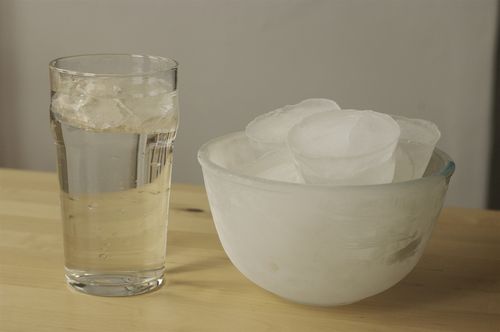



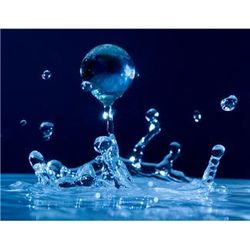 liquid water