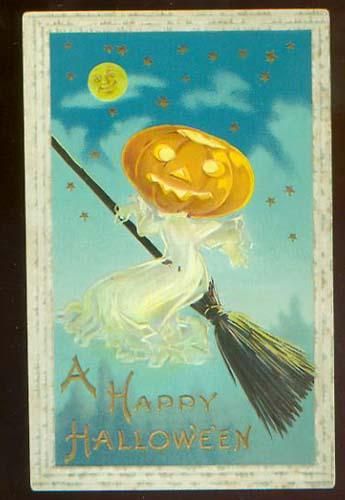
Makayla gently placed her black witch’s hat on top of her head as she looked at herself in the mirror. She wore a long, purple dress. Underneath it she had on tall, black boots. Her mom had painted her skin green and her eyelids purple. It was October 31st, and Makayla was ready for trick-or-treating on Halloween night.
“Makayla!” her mom called out from downstairs. “Your friends are here!”
Makayla’s friends, Colden and Porter, were waiting by the door. Colden was dressed as a ghost. A white sheet hung over his head, and his eyes looked out from two cut-out holes. His costume blew in the wind.
Porter was dressed like his favorite superhero, Batman. He wore a black mask on his face and a long cape tied around his neck. Colden and Porter both carried plastic pumpkin bowls. They would need the bowls to collect candy later that evening.
The two boys greeted Makayla excitedly.
“Hi, Makayla!” Colden said.
“Are you ready to go trick-or-treating?” Porter asked.
She nodded her head and ran to grab her coat.
“Let’s go, everyone!” her mom called out. They all walked out the front door.
All around them, children and parents walked from door to door. Everyone wore colorful costumes. Carved pumpkins sat in front of houses. Candles were shining from inside the pumpkins. A breeze blew past Makayla and her friends, making her shiver. The weather had just started to get cold.
Makayla remembered her class from earlier that day. Her teacher had talked about the origins of Halloween, or how Halloween started. Mrs. Narula had looked at documents to find out about Halloween’s origins. She told the class that the holiday began 2,000 years ago in Ireland. It started as a very old festival called Samhain. The word Samhain means “summer’s end” in Gaelic. Gaelic is a language spoken in Ireland and Scotland. The festival celebrated the end of summer and the beginning of winter. This was a time to gather crops to get ready for the colder months.
People believed Samhain was the time when all the souls who had died that year went to the next world. To keep these dead spirits away, people lit large fires. They dressed in animal furs for part of the festival. They did this so that the dead spirits would not know who they were. Mrs. Narula said this is one reason why we might still dress up in costumes today. Later, the festival of Samhain was replaced with All Souls’ Day. This was a Christian holiday that honored the dead. People celebrated with bonfires and parades. They also dressed up as saints, angels, and devils.
The friends walked across the street to Mr. Clock’s house. Porter reached up and rang the doorbell.
Ding-dong.
A big, green monster pulled open the door. It was holding a big bowl of candy. Makayla and her friends gasped in fear. But then they realized it was just Mr. Clock dressed up, and they laughed.
“Trick-or-treat!” the kids sang with big smiles.
As Mr. Clock dropped candy into their baskets, Makayla thought of Mrs. Narula again.
“In the 1800s, many people from Ireland and Scotland left their homes. They came to the United States to start a new life,” the teacher told the class earlier that day. “They had old Halloween traditions from Ireland and Scotland. But when they came to America, they started their own new traditions.”
Irish and Scottish teenagers in America started to play pranks and tricks during Halloween. Adults tried to stop the tricks by giving children candy. This is how we got the tradition of trick-or-treating. And today, children all around the world dress up for candy!
Comprehension Questions
1. At the beginning of the passage, what is Makayla getting ready to do? 
- open Christmas presents
- go trick-or-treating on Halloween
- go on an Easter egg hunt
- eat Thanksgiving dinner
- open Christmas presents
- go trick-or-treating on Halloween
- go on an Easter egg hunt
- eat Thanksgiving dinner
2. Throughout the story, Makayla remembers information Mrs. Narula taught in class. What does this information describe? - the history of Halloween
- the history of Ireland and Scotland
- the way different holidays are researched
- the importance of wearing costumes
- the history of Halloween
- the history of Ireland and Scotland
- the way different holidays are researched
- the importance of wearing costumes
3. Halloween traditions have changed over time. What evidence from the passage supports this conclusion? - Trick-or-treating began before Irish immigrants came to America.
- People dressed up as angels or saints during All Saints’ Day.
- Samhain celebrated the end of summer and beginning of winter.
- Playing pranks was not always a part of Halloween celebrations.
- Trick-or-treating began before Irish immigrants came to America.
- People dressed up as angels or saints during All Saints’ Day.
- Samhain celebrated the end of summer and beginning of winter.
- Playing pranks was not always a part of Halloween celebrations.
4. Based on the passage, what conclusion can you make about how Halloween has changed? - Halloween has become a more serious holiday.
- Halloween is now more focused on preparing for winter.
- Halloween has become a more lighthearted holiday.
- Halloween is now more focused on bonfire rituals.
- Halloween has become a more serious holiday.
- Halloween is now more focused on preparing for winter.
- Halloween has become a more lighthearted holiday.
- Halloween is now more focused on bonfire rituals.
5. What is this passage mostly about? - the history of Halloween
- the ancient people who celebrated Samhain
- research at the American Folklife Center
- how the tradition of trick-or-treating began
- the history of Halloween
- the ancient people who celebrated Samhain
- research at the American Folklife Center
- how the tradition of trick-or-treating began
6. Read the following sentences: “Makayla remembered her class earlier that day, when her teacher talked about the origins of Halloween. Mrs. Narula told Makayla and her classmates that the holiday started with an ancient festival called Samhain, 2,000 years ago in Ireland.”As used in this sentence, what does the word “origin” most nearly mean?
- the celebration
- the length
- the end
- the start
As used in this sentence, what does the word “origin” most nearly mean?
- the celebration
- the length
- the end
- the start
7. Choose the answer that best completes the sentence below._________ the celebration of Halloween has changed over time, it has also kept some traditions from ancient festivals.
- Meanwhile
- Although
- Therefore
- For instance
_________ the celebration of Halloween has changed over time, it has also kept some traditions from ancient festivals.
- Meanwhile
- Although
- Therefore
- For instance


